Gentle Parenting Scripts: Positive Discipline That Works
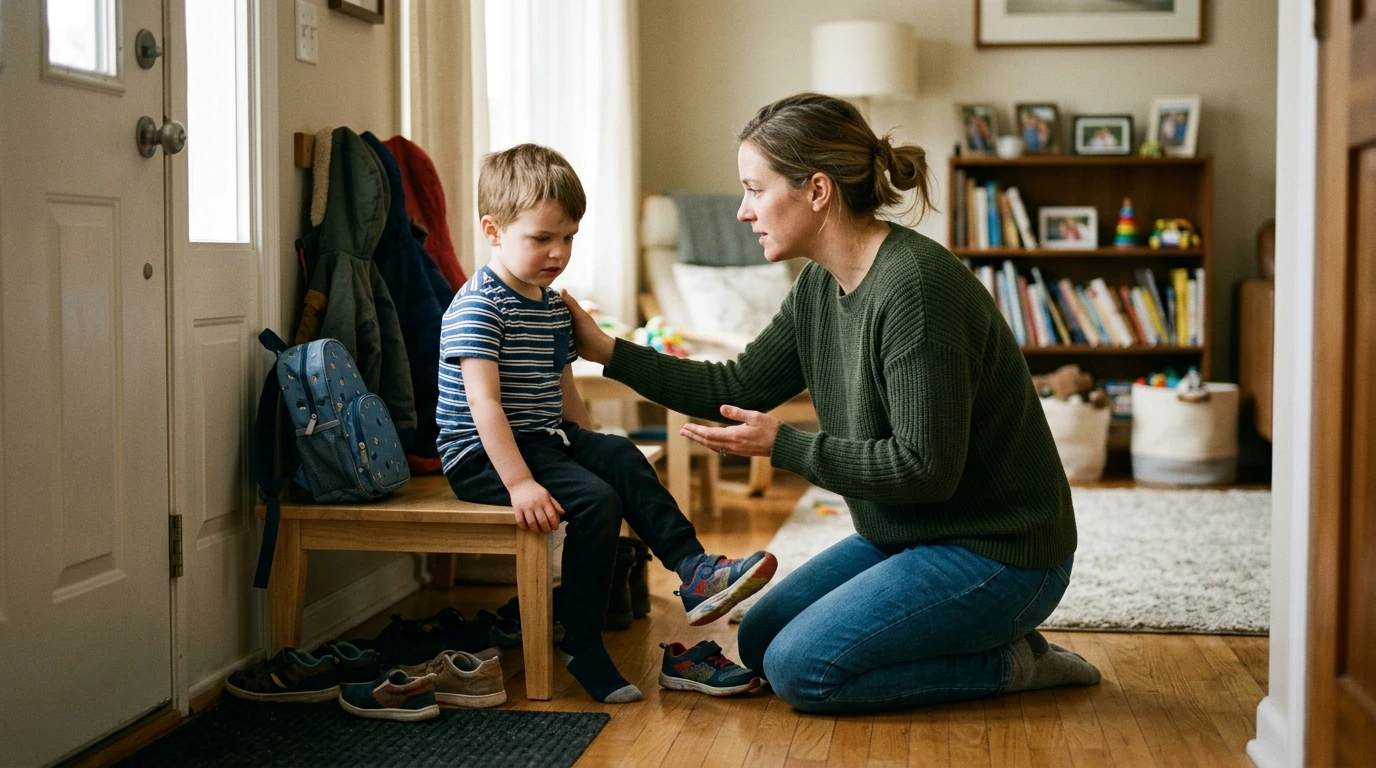
Gentle parenting and positive discipline aren’t about letting kids “get away with it.” They’re a calm, practical way to build cooperation without threats, shame, or constant power struggles. When kids feel safe and understood, they’re more likely to accept guidance—and parents can hold firm boundaries without raising the emotional temperature at home.
This guide-style approach focuses on everyday moments: mornings, transitions, sibling conflict, homework frustration, and bedtime. You’ll find simple scripts, repeatable routines, and empathic communication tools that help kids feel heard while still keeping the “no” clear when it needs to be.
What “positive” and “gentle” parenting look like day to day
- Warm connection plus firm boundaries: kindness without permissiveness. You can be compassionate and still say “I won’t let you.”
- Teach skills instead of punish: focus on emotional regulation, flexibility, problem-solving, and repair—skills kids can reuse.
- Protect dignity: no humiliation, sarcasm, or fear-based control. Respect is part of the boundary.
- Consistency through routines: predictable sequences reduce the need for repeated “no’s” and long lectures.
- Repair after conflict: reconnecting and modeling accountability turns mistakes into learning instead of lingering resentment.
For evidence-based, parent-friendly overviews, see the CDC Essentials for Parenting and the American Academy of Pediatrics guidance on effective discipline.
Core empathic communication skills that reduce meltdowns
- Name the feeling without agreeing to the behavior: “You’re mad” (validation) + “I won’t let you hit” (boundary).
- Reflective listening: repeat their message in fewer words to show understanding: “You want more time.”
- Curiosity questions that de-escalate: “What happened?” “What do you need right now?” (asked calmly, not like an interrogation).
- Calm, specific directions: one step at a time instead of stacked instructions that overwhelm.
- Choice within limits: offer two acceptable options to support autonomy and cooperation.
Empathic phrases that keep boundaries clear
| Situation | What to say | Boundary/next step |
|---|---|---|
| Hitting or throwing | “You’re really mad. I won’t let you hit.” | Move closer, block safely, offer a safe outlet (stomp, squeeze pillow) |
| Refusing to leave the park | “It’s hard to stop when you’re having fun.” | Give a final choice: “Walk to the car or hop like a bunny?” |
| Sibling conflict | “Both of you want the same thing.” | Separate, cool down, then guide turn-taking or problem-solving |
| Homework frustration | “This feels overwhelming.” | Break into one small step; short break; ask what support helps |
| Bedtime battles | “You want more time with me.” | Predictable routine; one extra connection ritual; lights-out boundary |
5 positive parenting tips to start using tonight
- Connect before correcting: get close, soften your face, and offer a brief “I’m here.” Then address the behavior.
- Describe what to do: trade “Stop climbing” for “Feet on the floor.” Clear “do” directions land faster.
- Use natural and logical consequences: keep them related and respectful. “Markers stay on paper; if they’re used on walls, they’re put away for today.”
- Catch cooperation early: notice the first tiny step—“You started putting your shoes on. Nice work getting going.”
- Repair and reset after blowups: a brief apology + reassurance + plan: “I got loud. I’m sorry. Next time I’ll take a breath, and you can tell me with words.”
Boundaries without threats: what to do when “gentle” gets tested
- State the boundary once, then act: fewer words, calm follow-through. Repeating often becomes background noise.
- Use “when/then” structure: “When pajamas are on, then we read.” It’s clear and predictable.
- Reduce power struggles: limited choices + routines prevent constant negotiation.
- Co-regulate first (especially for young kids): calm body, calm voice, and safety before problem-solving.
- Teach the replacement skill: after everyone is safe, practice what to do next time (gentle hands, asking for a turn, taking space).
Common challenges and gentle responses by age
- Toddlers: use short phrases (“Hands safe”), quick redirection, and safe choices. Expect repetition; their brains are practicing.
- Preschoolers: add play (“Race you to pajamas”), simple visuals (routine chart), and practice calm-down tools when they’re already calm.
- School-age kids: collaborative problem-solving works well: “What’s the hard part? What’s one idea to try?” Keep responsibilities clear and consistent.
- Tweens/teens: lead with respect and privacy. Agree on boundaries in advance, then use natural consequences (missed curfew = earlier curfew next time).
- All ages: check basics first—sleep, hunger, transitions. Many “behavior problems” shrink when bodies are regulated.
If you’d like a research-backed perspective on why positive approaches work, the American Psychological Association’s overview of positive parenting is a helpful starting point.
What’s included in the digital guide and how to use it
- Quick-start help for high-stress moments: what to say and what to do first when emotions spike.
- Empathic prompts and boundary scripts: ready-to-use phrases for common conflicts.
- Simple routine templates: morning, after school, and bedtime sequences to reduce repeated arguments.
- A repeatable framework: calm → connect → coach, so kids learn skills (not just compliance).
- Use plan: read one section, pick one phrase to practice for a week, then stack the next tool.
A steady next step: Positive Parenting Tips Guide (digital download)
For parents who want kinder communication without losing authority, Positive Parenting Tips Guide (Gentle Parenting eBook) – digital download is built for real life: transitions, bedtime, sibling conflict, and those “I already asked you three times” moments. The digital format makes it easy to pull up a script on your phone or print the pages you use most.
Some families also like pairing parenting tools with other practical guides that support household stress levels—like income planning or caring for family pets. If that fits your season of life, consider Side Hustle Launch & Monetization Guide or Understanding Your Pet’s Temperament as additional digital references.
FAQ
What are 5 positive parenting tips?
Connect before correcting, give calm one-step directions, offer choices within limits, use respectful consequences related to the behavior, and repair after conflict with a brief apology plus a plan for next time.












Leave a comment